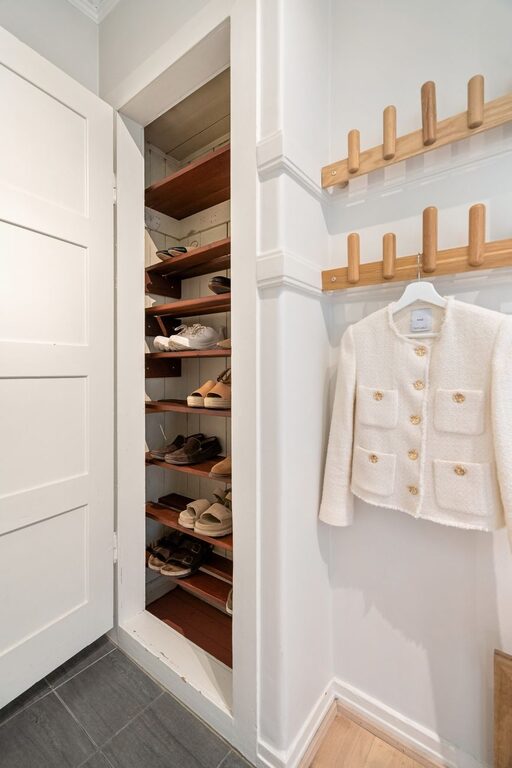
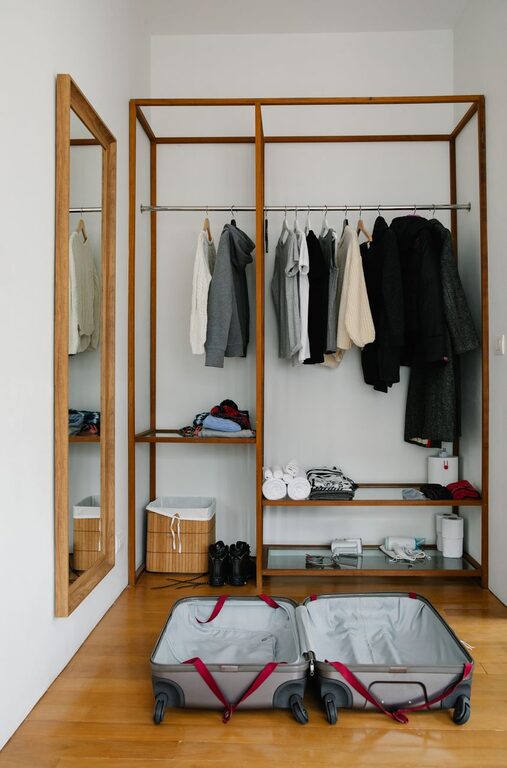
Storing seasonal clothes efficiently is a smart way to maximize your space and keep your wardrobe organized throughout the year. Whether you’re packing away winter coats for summer or freshening up your closet for the colder months, proper storage techniques can protect your garments and make switching seasons simpler. In this guide, we’ll walk you through practical steps to store your seasonal clothes, from sorting and cleaning to choosing the right containers and storage locations.
Why Efficient Seasonal Clothing Storage Matters
Seasonal clothes often take up a lot of room, especially bulky items like sweaters and coats. Without careful storage, your clothes can become wrinkled, damaged, or even infested with pests. Efficient storage helps you:
– Save space in your closet or drawers.
– Protect your clothes from dust, moisture, and bugs.
– Keep your wardrobe organized and easy to navigate.
– Extend the life of your garments.
Step 1: Sort and Declutter Before You Store
Before packing away clothes, take the opportunity to assess what you really need.
Sort by Category and Condition
– Separate clothes by type: tops, bottoms, outerwear, and accessories.
– Check for wear and tear, stains, or items that no longer fit.
– Decide what to keep, donate, or recycle.
This step reduces clutter and ensures you only store items you’ll actually wear next season.
Step 2: Clean Your Clothes Thoroughly
Always wash or dry clean your clothes before storing them.
– Dirt, oils, and stains can attract pests and cause fabric damage.
– Make sure clothes are completely dry to prevent mold and mildew.
– For delicate items, follow care instructions carefully.
If you’re storing shoes or bags, wipe them clean and stuff them with tissue to maintain shape.
Step 3: Choose the Right Storage Containers
The containers you use can make a big difference in preserving your clothes.
Options to Consider
– Plastic bins with tight-fitting lids: Keep moisture and pests out.
– Breathable fabric storage bags: Ideal for delicate or natural fabrics.
– Vacuum-seal bags: Save space by compressing bulky items; avoid using for delicate fabrics like silk.
– Suitcase or under-bed storage boxes: Use available spaces creatively.
Avoid using cardboard boxes as they can absorb moisture and attract bugs.
Step 4: Use Protective Materials Inside Storage
Add extra protection to your seasonal clothes.
– Acid-free tissue paper: Helps prevent creasing and fabric yellowing.
– Lavender sachets or cedar blocks: Natural repellents against moths and insects.
– Silica gel packets: Reduce humidity inside containers.
Make sure to replace sachets and gels as needed to maintain effectiveness.
Step 5: Store Clothes in a Cool, Dry Place
Where you store your clothes affects how well they stay in good condition.
– Avoid damp basements or hot attics.
– A bedroom closet, linen closet, or guest room often provides good conditions.
– Keep containers off the floor to prevent moisture damage.
– Ensure the area has good air circulation.
Step 6: Label Your Storage Containers
Labeling helps you find items quickly without unpacking everything.
– Use clear, descriptive labels: “Winter Sweaters” or “Summer Dresses.”
– Consider including photos on the label for faster identification.
– If you use opaque bins, labeling is especially important.
Step 7: Plan Regular Check-Ins
Seasonal storage isn’t set-and-forget.
– Check your stored clothes every few months.
– Look for signs of moisture, pests, or fabric damage.
– Refresh protective sachets or replace vacuum bags if needed.
Regular maintenance keeps your clothes fresh and ready to wear.
Bonus Tips for Specific Clothing Types
Sweaters and Knits
– Fold sweaters instead of hanging to avoid stretching.
– Use acid-free tissue paper between layers if stacking.
Coats and Jackets
– Hang heavier coats to maintain shape, but use breathable garment bags.
– Avoid plastic bags that trap moisture.
Shoes and Accessories
– Clean and dry shoes thoroughly.
– Store shoes individually in cloth bags or boxes.
– Keep accessories like scarves and hats in smaller containers or drawers.
Final Thoughts
Storing seasonal clothes efficiently can simplify your life and protect your wardrobe investment. By sorting, cleaning, using appropriate storage solutions, and maintaining a proper environment, your clothes will stay fresh and ready for the next season. With these tips, seasonal wardrobe changes will become a breeze, freeing up space and reducing clutter in your home. Give your clothes the care they deserve and enjoy a more organized wardrobe all year round!
About the Author